

 0
0 0
0
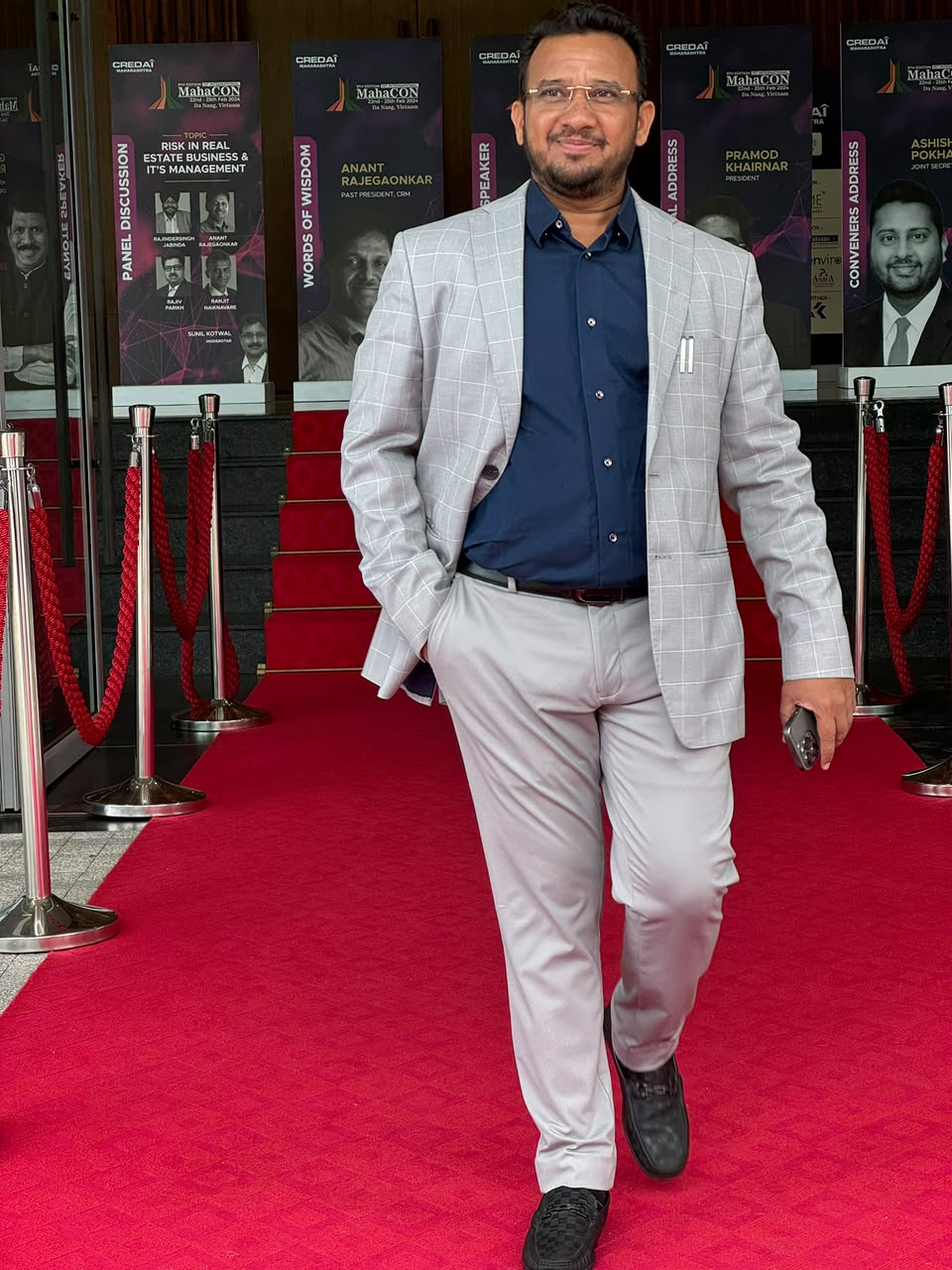
Chhatrapati Sambhajinagar: The Maharashtra State Board of Waqf (MSBW) has undertaken a series of administrative, technological, financial and institutional measures aimed at strengthening Waqf governance across Maharashtra under the leadership of Hon’ble Chairman Sameer Gulamnabi Kazi.
The initiatives have focused on strengthening manpower, expanding district-level administration, accelerating Waqf registration and digitisation, improving property management, enhancing financial resources and strengthening the Board’s legal and administrative framework.
A key step in institutional strengthening was the recruitment of 60 permanent employees in February 2024. The appointments included 25 District Waqf Officers, one Junior Engineer, one Stenographer, two Legal Assistants and 31 Junior Clerks-cum-Typists. The newly recruited personnel underwent structured training at the Regional Administrative Training Institute, Nashik, in April 2024 to strengthen their administrative and procedural capabilities.
The Board also increased its contractual workforce from approximately 60 to 120 employees to strengthen operational capacity. As part of employee welfare measures, the remuneration of daily-wage staff was increased from ₹600 to ₹900 per day. The pay scale of District Waqf Officers was revised from S-13 to S-15, while a monthly travelling allowance of ₹10,000 was sanctioned for each officer to support field-level responsibilities.
The Board’s field-level presence was also significantly expanded. Its earlier network of five regional and eight district offices was expanded to 27 modern District Waqf Offices, with several offices accommodated in Government buildings. Services relating to Waqf administration were decentralised from the Head Office to district offices, enabling institutions and stakeholders to access administrative support closer to their respective locations.
District Waqf Officers were also given greater powers relating to the development and protection of Waqf land. The move is intended to strengthen field supervision and facilitate timely administrative action concerning Waqf properties.
Waqf registration and documentation emerged as another major area of focus. Registration drives were conducted across districts to bring unregistered Waqf institutions into the formal administrative framework. The Board also undertook suo motu registration of approximately 20,000 Waqf institutions under Section 43 of the Waqf Act, 1995, expanding the institutional database maintained under its administrative framework.
The Board simultaneously undertook a large-scale digitisation exercise through the UMEED Portal. Public-oriented programmes were organised across Maharashtra to facilitate the uploading of existing Waqf property records and encourage participation in the process. According to the Board, approximately 98% of Phase-II work under the UMEED Portal has been completed.
The Board also pursued the extension of the UMEED Portal timeline before the Waqf Tribunal and secured a judicial outcome concerning the extension. The intervention was aimed at providing Waqf institutions and stakeholders additional opportunity to complete the required digitisation process.
Digital transformation has also extended to the Board’s internal administration with the implementation of e-Office. The system is expected to facilitate electronic file movement, tracking and record management. The purchase and installation of compactors has further strengthened the preservation and storage of physical records relating to Waqf properties, registrations, legal matters and administration.
Another major technology initiative is the GIS mapping project for Waqf properties across Maharashtra. The project, valued at approximately ₹26 crore, was sanctioned by the Government of Maharashtra. The initiative is expected to provide a geospatial framework for identifying, mapping and monitoring Waqf properties and support future efforts relating to property management and protection.
Financial strengthening has been another prominent area of development. The Board’s income through the Waqf Fund increased from approximately ₹5 crore to ₹20 crore. In addition, a Government grant of ₹37.5 crore was sanctioned and disbursed to the Board for institutional strengthening. The enhanced financial resources are expected to support infrastructure, technology, manpower and field-level operations.
The establishment and distribution of funds through the MSBW Welfare Fund has added a welfare-oriented component to the Board’s activities, creating an institutional mechanism for supporting charitable and welfare-related initiatives associated with the broader objectives of the Waqf system.
The Board also recorded developments on the legal front. A Supreme Court judgment concerning the Gazette publication of Waqf institutions in the non-Marathwada region has been highlighted as a significant legal development. The Board appointed SAGA Legal as its legal firm for matters before the Waqf Tribunal, High Court and Supreme Court, strengthening its legal representation across judicial forums.
Coordination with Government departments has also been strengthened through meetings with land-revenue officials on matters concerning Waqf properties, land records and related administrative issues. Improved coordination between Waqf and revenue authorities is particularly relevant to property protection, land records, encroachment-related matters and other revenue issues.
Infrastructure development has included efforts to facilitate suitable office space for the MSBW Head Office at Haj House. Together with the expansion of district offices, the move is aimed at strengthening the Board’s administrative infrastructure and accessibility.
Regular governance and statutory decision-making have remained another focus. The leadership has highlighted that no Board meeting was skipped during the period, with regular meetings providing a platform for deliberations on administrative, legal, financial and property-related matters.
The Board has also taken steps towards institutional accountability through the submission of its audit reports before the Maharashtra Legislative Assembly for the period from 2002-03 to 2017-18. The submission brings long-pending historical financial and administrative records within the formal legislative oversight process.
The scale of the institutional initiatives is reflected in several key figures: 60 permanent employees recruited, 27 District Waqf Offices established, contractual manpower increased to 120, approximately 20,000 Waqf institutions registered through suo motu action, 98% of Phase-II UMEED Portal work completed, Waqf Fund income increased from ₹5 crore to ₹20 crore, ₹37.5 crore in Government funding sanctioned and disbursed, and a ₹26 crore GIS mapping project initiated.
Taken together, these measures represent a broad institutional strengthening exercise covering manpower, decentralised administration, registration, digitisation, technology, financial mobilisation, legal preparedness and Waqf property management. The developments under the leadership of Sameer Gulamnabi Kazi mark a significant phase in the continuing evolution of the Maharashtra State Board of Waqf, with the focus increasingly centred on modernising administrative systems and creating a more accessible, accountable and technology-enabled framework for Waqf administration across the state.