

 0
0 0
0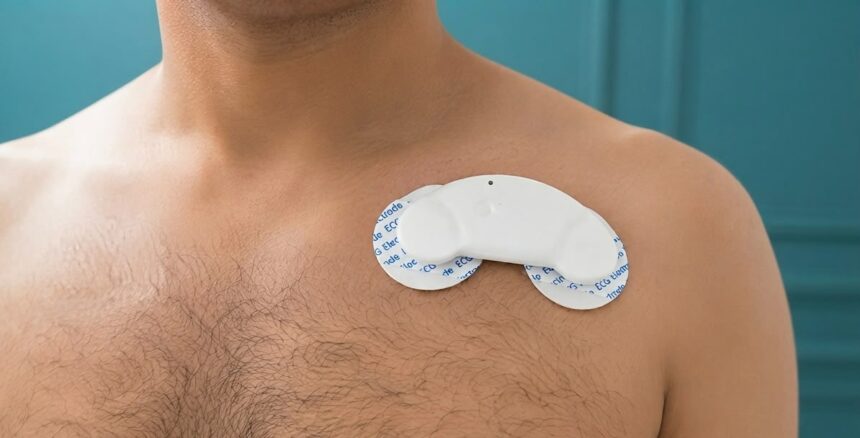
Bengaluru (Karnataka) [India], September 2026: Okto Healthcare & Services LLP is strengthening its home-based cardiac diagnostics programme in Bengaluru by expanding access to Holter ECG monitoring and 24-hour Ambulatory Blood Pressure Monitoring (ABPM) at patients’ homes.
The Bengaluru-based healthcare company is developing a structured model for ambulatory cardiovascular monitoring that combines trained biomedical-engineer support, correct device placement, patient guidance, recording-quality checks and organised reporting workflows.
Okto Healthcare currently provides 24-hour, 48-hour, 72-hour and extended 7-day Holter ECG monitoring, along with 24-hour ABPM, allowing patients to undergo longer-duration monitoring while continuing with much of their normal daily routine.
The company believes home-based ambulatory diagnostics can help make clinically recommended monitoring more accessible while reducing the need for repeated visits to hospitals and diagnostic centres.
Monitoring the Heart Beyond a Short Clinic Visit
A conventional ECG records the electrical activity of the heart during a relatively short period.
However, symptoms such as palpitations, intermittent dizziness, unexplained episodes of rapid or irregular heartbeat and other rhythm-related concerns may not always occur during the few minutes when a standard ECG is being recorded.
Holter monitoring allows the heart’s electrical activity to be recorded continuously over a longer duration while the patient goes about normal activities and sleeps.
Depending on the clinical requirement and advice of the treating physician, monitoring may extend from 24 hours to several days.
Okto Healthcare provides Holter ECG monitoring options ranging from 24 hours to seven days.
For home installation, a trained biomedical engineer prepares the skin, positions the electrodes, connects the recorder, checks the available signal quality and guides the patient on caring for the device during the monitoring period.
Patients may also be advised to maintain a symptom and activity diary so that recorded events can be reviewed alongside relevant symptoms or activities.
Once monitoring is completed, the recorded data is processed through a structured workflow that includes specialist review and clinical reporting.
“Home diagnostics should involve much more than simply sending a device to a patient’s house,” said John, Co-Founder of Okto Healthcare.
“With cardiac monitoring, the quality of the final recording starts with correct electrode placement, skin preparation, signal verification and proper patient guidance. Our focus is on creating a dependable process from installation through reporting.”
Understanding Blood Pressure Across an Entire Day
Alongside Holter ECG services, Okto Healthcare is strengthening access to 24-hour Ambulatory Blood Pressure Monitoring, commonly known as ABPM.
Unlike a single blood-pressure measurement taken during a clinic visit, ABPM records blood pressure repeatedly over an extended period while the patient continues with normal daytime activities and sleeps at night.
The device generally consists of an automated blood-pressure monitor connected to a cuff worn on the upper arm.
Measurements are recorded at programmed intervals throughout the monitoring period, creating a broader picture of how blood pressure behaves during different parts of the day and night.
Doctors may recommend ABPM when they require more information than can be obtained from isolated clinic measurements.
It may be useful when assessing patterns such as suspected white-coat hypertension, masked hypertension, variations in blood pressure during the day or the effectiveness of an existing treatment plan.
For patients opting for home installation support, an Okto biomedical engineer can fit the monitor, check the cuff positioning, explain how the device works and provide instructions for the monitoring period.
After the recording is completed, the collected readings are processed into a structured ABPM report for review by the patient’s treating doctor.
Okto Healthcare emphasises that medical interpretation and treatment decisions remain with the patient’s treating physician.
Two Tests, Two Different Cardiovascular Questions
Although Holter ECG and ABPM are both ambulatory monitoring tests, they provide different types of information.
Holter ECG monitoring records the electrical rhythm of the heart, while ABPM records changes in blood pressure over an extended period.
Bringing both services into a professionally supported home-diagnostics model allows patients who have been advised longer-duration monitoring to undergo testing in a familiar environment.
“Holter ECG and ABPM answer different clinical questions, but they share an important advantage,” John said.
“They allow the treating doctor to look beyond a single measurement taken during a short hospital or clinic visit and evaluate what is happening over a much longer period.”
Biomedical Engineers Supporting Diagnostic Quality
Okto Healthcare considers trained biomedical personnel an important part of its home-diagnostics model.
When diagnostic monitoring moves outside the controlled environment of a hospital, factors such as electrode contact, cuff positioning, device placement, patient movement and correct handling can influence the quality of the recorded information.
The company’s home-visit process therefore places emphasis on appropriate installation, patient education and technical checks before monitoring begins.
Okto Healthcare is also developing standardised operating processes covering device preparation, installation, patient instructions, collection, data transfer, cleaning, maintenance and reporting.
The company believes these processes will become increasingly important as more diagnostic monitoring shifts from healthcare institutions to patients’ homes.
Home Diagnostics Without Replacing the Treating Doctor
Okto Healthcare says its aim is not to replace hospitals, cardiologists, physicians or other treating doctors.
Instead, the company wants to provide the technical infrastructure required to perform selected diagnostic monitoring conveniently and professionally at home.
The decision to undergo Holter ECG monitoring or ABPM, the appropriate duration of testing and the clinical interpretation of findings should remain part of the patient’s overall medical evaluation.
“A home diagnostic service should connect the patient, technology, biomedical team and treating doctor,” Jincy John said.
“We see our role as creating a reliable bridge between these different parts of the diagnostic process.”
Building a Broader Ambulatory Diagnostics Platform
Okto Healthcare has progressively expanded its operations from medical equipment support and rental into home-based diagnostic services.
The company’s diagnostic portfolio includes cardiac rhythm monitoring, ambulatory blood-pressure monitoring and sleep diagnostics, supported by a growing biomedical-engineering team.
The expansion of Holter ECG and ABPM services reflects Okto Healthcare’s broader strategy of developing a structured ambulatory diagnostics platform in Bengaluru.
The company plans to continue investing in monitoring equipment, biomedical-engineering capability, quality-control processes and technology-supported reporting systems.
Supporting the Shift Towards Healthcare at Home
Home healthcare in India has traditionally been associated with nursing, physiotherapy, medicine delivery and medical equipment.
Okto Healthcare believes that ambulatory diagnostics will become an increasingly important part of healthcare delivered closer to the patient.
Certain investigations naturally require monitoring over many hours or several days, making them suitable for professionally managed home-based models where clinically appropriate.
For patients, this can reduce travel and allow monitoring to take place during more representative everyday activities.
For doctors, longer-duration recordings can provide additional information that may not be available from a single clinic measurement.
The company sees cardiac rhythm monitoring and ambulatory blood-pressure monitoring as important examples of this transition.
Looking Ahead
Okto Healthcare intends to continue strengthening its Bengaluru home-diagnostics operations while developing the technical and operational systems required to support future expansion.
The company’s focus will remain on combining patient convenience with technical quality, standardised processes and clinical accountability.
“Convenience alone is not enough in healthcare,” John said.
“The real opportunity is to make diagnostic monitoring easier for patients while maintaining the quality and responsibility expected from a professional healthcare service.”
With Holter ECG and ABPM forming core components of its cardiovascular diagnostics portfolio, Okto Healthcare aims to build a scalable home-monitoring model that connects patients with the diagnostic information required by their treating physicians.
About Okto Healthcare & Services LLP
Founded in Bengaluru in 2017, Okto Healthcare & Services LLP provides home diagnostics, medical equipment rental and patient-care solutions.
Its home diagnostic services include Holter ECG monitoring, 24-hour Ambulatory Blood Pressure Monitoring and home sleep studies, supported by trained biomedical personnel and structured operational workflows.
For more information, visit www.oktohealthcare.com or contact [email protected].
Disclaimer: Holter ECG monitoring and ABPM should be undertaken based on appropriate medical advice. Diagnostic findings should be interpreted by the treating healthcare professional together with the patient’s symptoms, medical history, examination findings and other relevant investigations.