

 0
0 0
0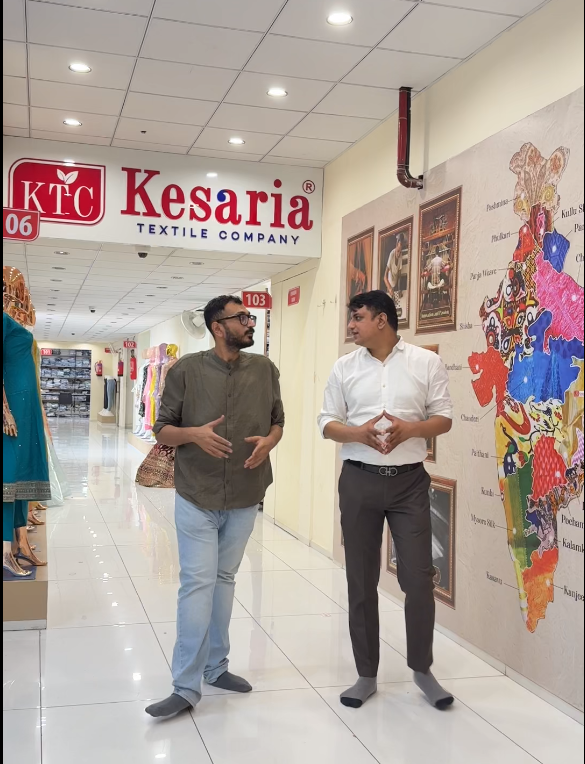
SURAT – With Diwali 2026 falling on November 8, significantly later than last year, apparel manufacturers, wholesalers and retailers across India should begin festive planning much earlier than usual to stay ahead of inventory, cash flow and operational challenges, according to Ritesh Modi, Founder of Kesaria Textile Company.
Modi has released a comprehensive 26-point festive readiness guide highlighting how the delayed festival calendar is expected to reshape buying cycles, production schedules and retail demand across the clothing industry.
According to Modi, the additional lunar month in the Hindu calendar has pushed major festivals further into the year, with Navratri beginning on October 11, Dussehra on October 20, Dhanteras on November 6, Diwali on November 8 and Bhai Dooj on November 11. While a late Diwali may appear beneficial on paper, he believes it will compress the retail selling window and require manufacturers and retailers to make key business decisions well before festive demand begins.
“The festive season is rarely the challenge. Preparation is,” said Modi. “Businesses that plan their production, procurement and inventory during August and September will be far better positioned than those waiting until October.”
Drawing from his experience in textile manufacturing, wholesale distribution and franchise retail operations, Modi said successful festive businesses are distinguished more by disciplined planning than by the size of their product catalogue.
His recommendations urge clothing businesses to work backwards from the Diwali calendar instead of relying on conventional planning timelines. He advises manufacturers and retailers to finalise procurement schedules early, create phased inventory plans, secure reorder commitments from suppliers and prepare separate inventory strategies for the post-Diwali wedding season.
The guide also recommends adopting a structured purchasing strategy rather than exhausting festive budgets at the beginning of the season. According to Modi, businesses should maintain flexibility to replenish fast-moving products while also establishing a clear exit strategy for slow-moving inventory to avoid carrying excess stock into the next season.
On pricing, Modi encourages apparel businesses to carefully evaluate the revised GST structure, particularly the ₹2,500 price threshold for readymade garments, while reassessing product costing following recent reductions in GST rates on man-made fibres and yarns. He also stresses the importance of maintaining proper purchase documentation to safeguard input tax credit during the peak festive rush.
Cash flow management forms another key pillar of the advisory. Modi recommends preparing weekly cash flow projections, defining retailer credit limits before Navratri and establishing transparent return and exchange policies well in advance to minimise disputes during the busiest sales period.
The guide further highlights operational readiness within retail stores, including hiring and training seasonal staff by early September, improving trial room efficiency, reducing billing time and refreshing visual merchandising throughout the festive calendar to reflect changing consumer preferences from Navratri through Diwali.
Recognising the growing role of digital commerce, Modi also urges businesses to strengthen their presence on WhatsApp, maintain updated Google Business Profiles, create regional-language short-form video content and pay greater attention to emerging demand from Tier-2 and Tier-3 markets.
He additionally recommends locking marketplace and e-commerce campaign calendars well in advance and monitoring weekly sell-through rates throughout the season to make timely replenishment and pricing decisions instead of reviewing performance only after the festive period concludes.
“Many businesses believe the festive season determines the success of their year,” Modi added. “In reality, the decisions made during August and September largely determine festive performance. By the time Diwali arrives, the outcome has already been shaped.”
Through the festive readiness guide, Kesaria Textile Company aims to help apparel manufacturers, wholesalers and retailers prepare for one of the most strategically important festive seasons in recent years and navigate changing market conditions with greater confidence.