

 0
0 0
0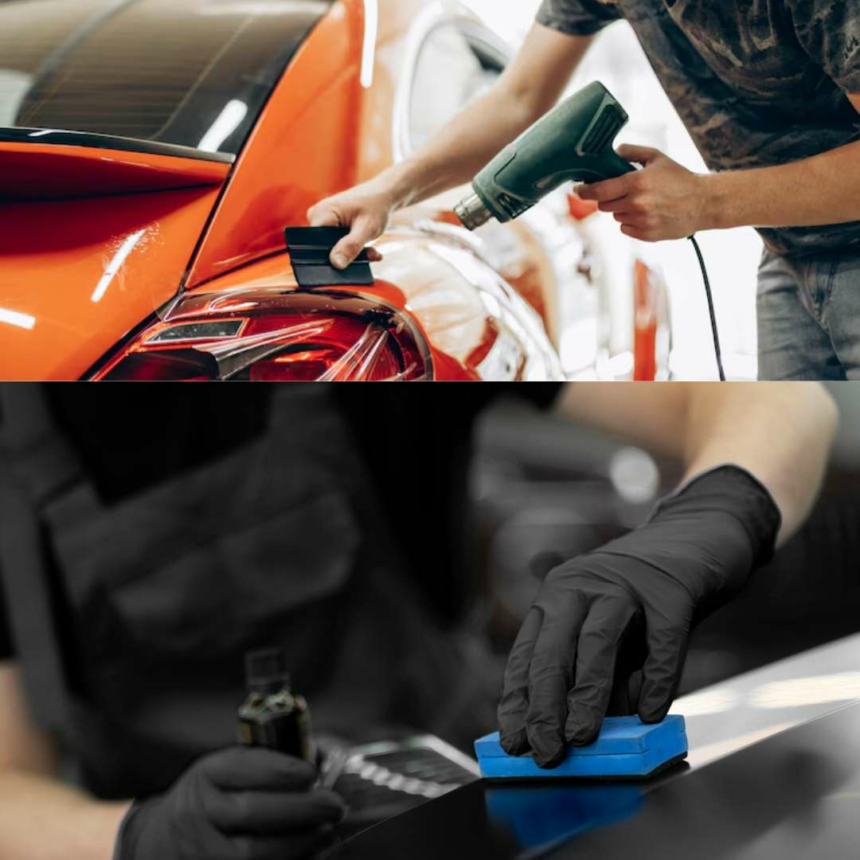
Your car’s paint faces a lot more than occasional dust and rain. Stone chips on highways, minor scratches in parking lots, UV exposure, bird droppings, road grime and everyday washing can gradually take away the factory finish.
This is where paint protection film and car ceramic coating come into the conversation. Both are designed to protect automotive paint, but they do very different jobs.
PPF is a physical film applied over the paint to absorb impacts and protect vulnerable panels. Ceramic coating, on the other hand, creates a hardened protective layer over the surface, improving gloss, hydrophobicity and resistance to environmental contaminants.
So, which one should you choose? The answer depends less on which technology sounds more advanced and more on what your car actually needs.
PPF and Ceramic Coating: What Is the Difference?
The easiest way to understand the difference is to think about impact protection versus surface protection.
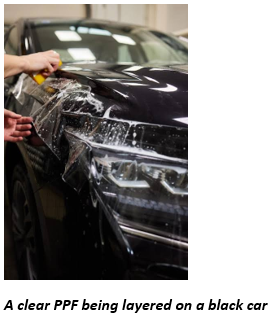
PPF acts as a physical barrier between the paint and the outside world. Quality films can help protect against stone chips, road debris, minor scratches and everyday abrasion. Modern PPF can also offer self-healing properties, UV resistance and hydrophobicity.
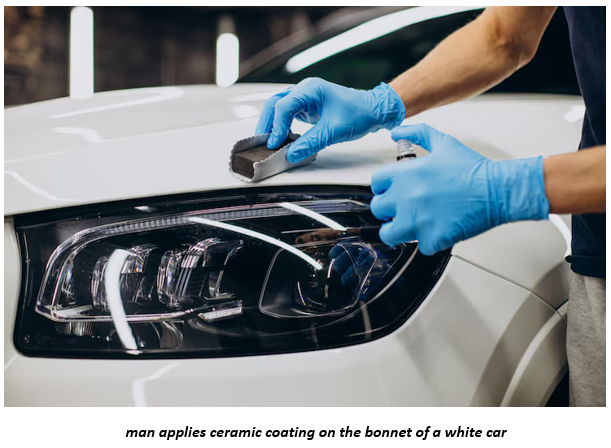
Ceramic coating works differently. It chemically bonds with the vehicle’s exterior and forms a semi-permanent protective layer. Its strengths include water and dirt repellency, chemical resistance, UV protection, gloss and easier maintenance.
In simple terms, PPF is designed to take the hit, while ceramic coating is designed to protect and enhance the surface.
When Should You Choose PPF?
PPF makes more sense when physical paint damage is your primary concern.
If you frequently drive on highways, encounter loose gravel and road debris, or simply want to preserve the factory paint for as long as possible, a good PPF can provide a stronger physical defence.
It is particularly useful on high-impact areas such as the front bumper, bonnet, front fenders and side mirrors. You do not necessarily have to cover every panel either. Depending on your usage and budget, PPF can be applied selectively to areas most exposed to damage.
Modern films have also moved beyond basic transparent protection. Aegis, for example, uses a Polycarbonate + TPU construction in its XG Series, combining the impact resistance of polycarbonate with TPU’s flexibility and self-healing characteristics. The technology was developed specifically with Indian road conditions in mind.
When Does Ceramic Coating Make More Sense?
Ceramic coating is particularly suited to owners who prioritise shine, easier maintenance and protection from environmental contaminants.
A quality coating creates a highly hydrophobic surface, causing water and dirt to bead and roll away more easily. It also provides resistance against contaminants such as bird droppings, tree sap and other chemical aggressors while helping protect the paint from UV exposure.
The visual transformation is another major reason owners choose ceramic coating. CrystalShield by CarzSpa uses a high-SiO₂ formulation and is designed to provide a glossy, smooth surface along with hydrophobic and protective properties.
However, ceramic coating should not be treated as an alternative to PPF when your main concern is stone-chip or impact damage. Ceramic coatings are scratch-resistant, but they are not scratch-proof, and they do not create the same physical barrier as a film.
PPF vs Ceramic Coating: A Quick Comparison
The comparison makes one thing clear: neither technology completely replaces the other.
Can You Have Both PPF and Ceramic Coating?
Yes. In fact, for owners seeking comprehensive exterior protection, combining the two can make practical sense.
PPF can be applied to high-impact areas to create a physical shield against chips and scratches. Ceramic coating can then be applied to suitable painted surfaces and, depending on the product and application, over compatible PPF to enhance hydrophobicity, gloss and ease of maintenance.
This creates two different layers of protection, each performing the job it is designed for.
The key, however, is proper preparation and professional installation. Surface preparation, paint correction where necessary, film application and coating curing can all influence the final result.
So, Which One Should You Buy?
There is no universal answer because the right choice depends on your priorities.
Choose PPF if your biggest concern is preserving the original paint against stone chips, scratches and road debris. It is particularly relevant for new cars, luxury vehicles and cars that spend significant time on highways.
Choose car ceramic coating if you want enhanced gloss, strong hydrophobicity, easier washing and protection against environmental contaminants.
And if preserving both the paint’s physical condition and its appearance is the priority, combining PPF with ceramic coating can provide a more comprehensive approach.
Ultimately, the decision should begin with how you drive, where you drive and what you want to preserve. Protection technology works best when it is chosen around the car owner’s actual needs rather than simply the product’s specifications.