

 0
 0
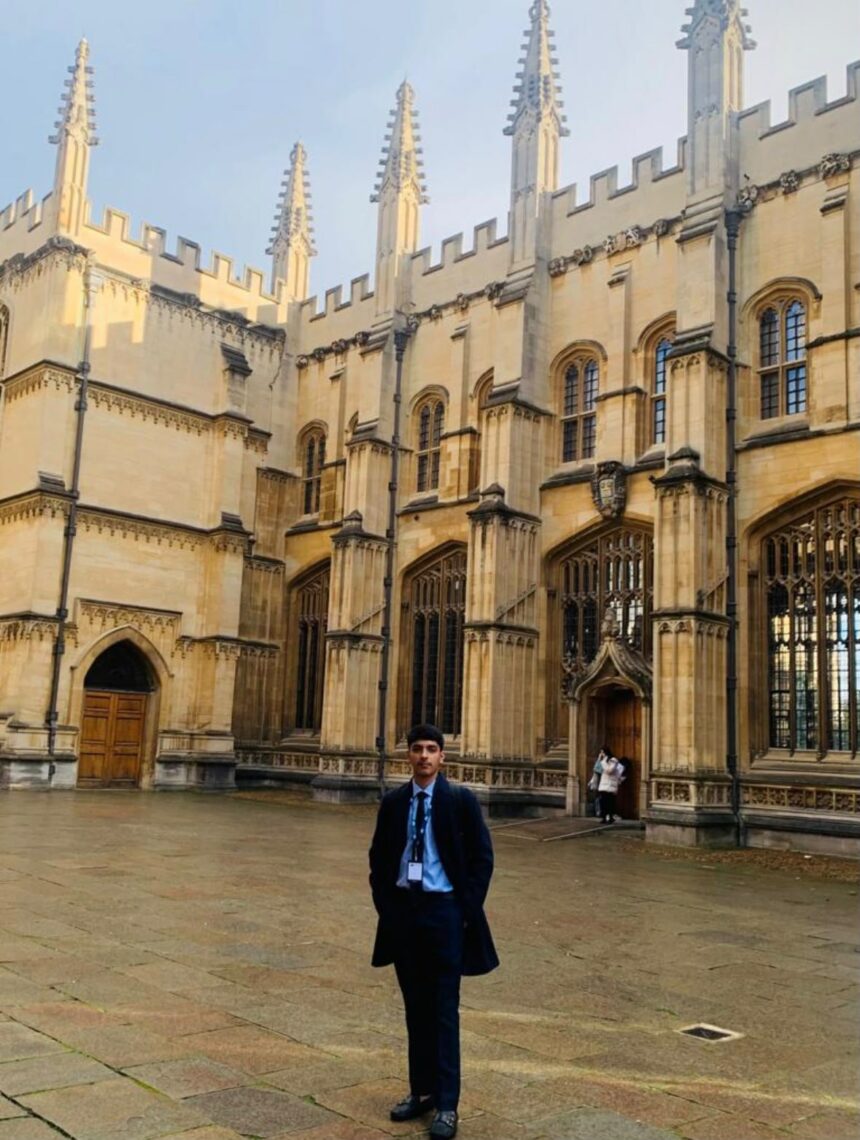
KOTA — Inside the study halls of Rajasthan’s coaching capital, daily life is measured in problem sets, test rankings, and countdown clocks for competitive engineering entrance exams. Yet for Vinayak Raj, a Grade 12 student originally from Bodh Gaya, Bihar, preparation for the technical sciences is only one piece of a much broader intellectual puzzle.
Balancing senior secondary coursework in Kota with a published research portfolio, diplomatic delegations, and competitive marksmanship, Raj represents a growing cohort of Indian students who reject the idea that pre-engineering studies must come at the expense of global civic engagement.
Roots in Bodh Gaya and Dehradun
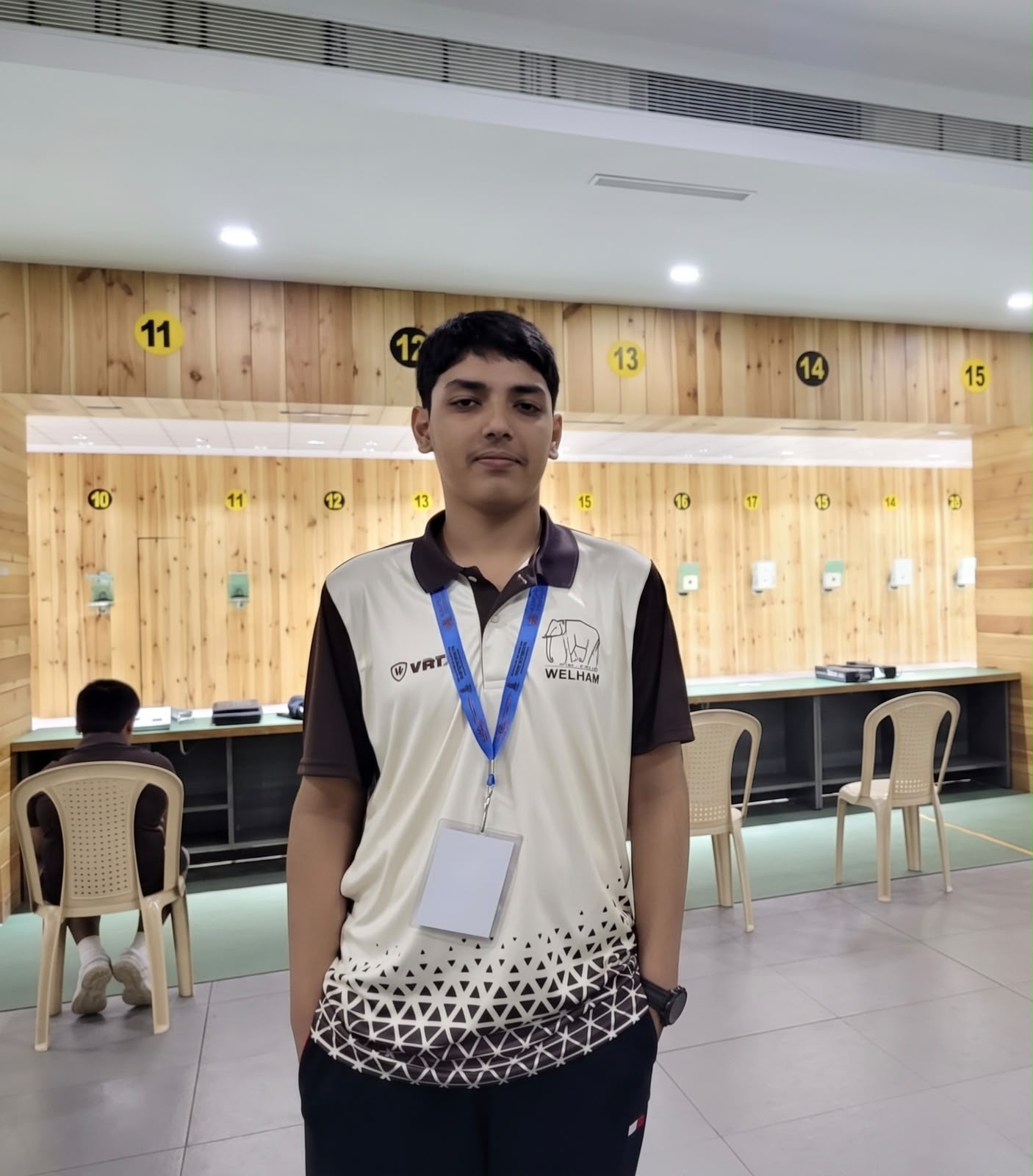
Raj spent his foundational middle school years (Grades 8 to 10) as a boarder at Welham Boys’ School in Dehradun, Uttarakhand. The residential school environment provided him with early exposure to competitive athletics, historical analysis, and formal debate.
During his time at Welham, Raj participated in the school’s Military History Seminar, earning a Certificate of Commendable Contribution for his research and strategic analysis of defense doctrines. On the sports field, he took up precision rifle marksmanship, training on campus and qualifying to represent his institution at the XVII All India IPSC Boys Shooting Championship hosted by Rajkumar College, Raipur.
“Target shooting requires stillness, respiratory discipline, and complete mental focus,” Raj says of the sport, noting that the concentration needed on the firing line directly reinforces his focus during high-intensity academic schedules.
Scrutinizing the Carbon Economy
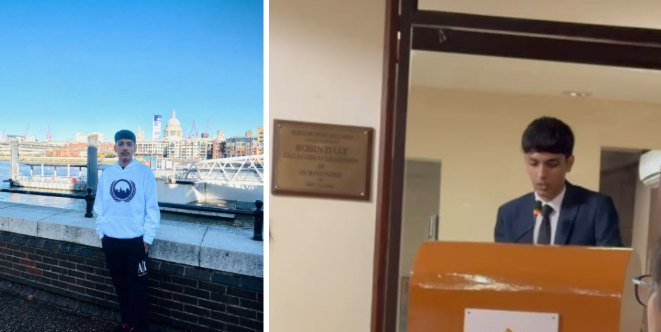
While preparing for his engineering entrances, Raj channeled his curiosity about global systems into environmental economics. His research culminated in the publication of a white paper titled “Global Emissions and Carbon Offsetting: Examining Conservational Approaches and Regulatory Gaps,” released through the Model G20 platform.
The paper investigates the systemic flaws and regulatory blind spots within international carbon credit markets:
- The Additionality Dilemma: Highlighting cases where offset credits are awarded to conservation initiatives that would have proceeded regardless of market financing.
- Permanence and Reversal Risks: Examining the vulnerability of biological carbon sinks to wildfires, pests, and illegal logging.
- Accounting Fragmentation: Emphasizing the need for standardized reporting ledgers under Article 6 of the Paris Agreement to eliminate transboundary double-counting.
- Community-Led Stewardship: Advocating for direct-to-community compensation models that reward indigenous and agrarian stewards rather than corporate intermediaries.
Raj has also authored analytical essays covering subjects ranging from West Asian geopolitical shifts and Southeast Asian economics to observational astrophysics and behavioral criminology.
Diplomacy and Community Outreach
Raj’s engagement with policy extends from the page to student diplomatic assemblies:
- WELMUN 2024: Served as Rapporteur for the United Nations Economic and Social Council (ECOSOC), managing council documentation and monitoring procedural debates.
- OxfordMUN: Represented Saudi Arabia in simulated COP 28 deliberations, debating energy transition timelines and green technology financing.
- Regional Circuits: Participated in conferences including Daly College MUN (DCMUN ’24) and prior iterations of WELMUN.
Locally, Raj has worked to make technical literacy more accessible. In Rajasthan, he has volunteered to deliver guest lectures in state-run government schools, introducing students to basic computer systems and digital careers. He has also led seminars for the Science Department in Kota on the real-world applications of programming logic, alongside community development activities as a youth member of Junior Chamber International (JCI).
Looking to the Future
Proficient in C, C++, Java, and Python, Raj has complemented his coursework with student internships at startups including Nivaan and VJ Nucleus, gaining practical exposure to agile workflows and software architectures.
Looking forward, he plans to pursue an undergraduate degree in Computer Science at an internationally recognized university, aiming to combine computational tools, machine intelligence, and policy analysis to address climate and societal challenges.
His guiding philosophy remains: “Learning with curiosity, thinking beyond boundaries, and using knowledge to build a better tomorrow.”