

 0
 0
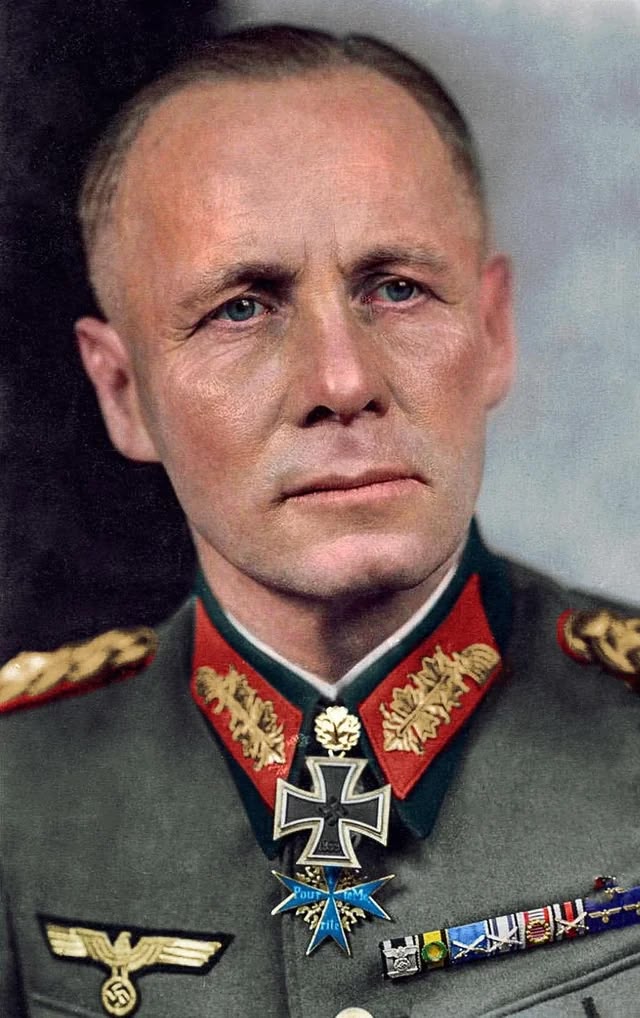
Fingerspitzengefühl. That’s German for “finger tips feeling!” Those who love Fussball would recall how immaculate a footballer’s sense of judgment and ball striking is. But it would be unwise to think the phrase carries significance in just the sporting realm. For there was once a Field Marshal, a handsome Swabian, a loyal German or ein treuer Deutscher, as they say, a resolute soldier and above all, one of
While many of Erwin Johannes Eugen Rommel’s superiors have long been forgotten, the Heidenheim-born military icon’s name continues to collect regard and generate critical thinking wherever the action-packed and sombre events of World War II are recounted, discussed, studied or written about.
He had an extraordinary instinct for sizing up his opponents. And Rommel could turn the fate of a battle with one remarkable stroke of tactical genius, whether during the Blitzkrieg (lightning war) campaigns in Europe or on the sandy deserts of North Africa, where his legend found its true calling.
Having joined the German Army in 1910, Rommel distinguished himself during the First World War, particularly at the Battle of Caporetto in 1917. His courage and tactical ingenuity earned him the Pour le Mérite, one of Germany’s highest military decorations. He also authored Infantry Attacks, a book that offered valuable insights into infantry warfare, surprise and the importance of initiative on the battlefield.
During World War II, his reputation grew considerably. Commanding the 7th Panzer Division during the invasion of France in 1940, he demonstrated an exceptional understanding of armoured warfare. But it was in February 1941, when he was sent to North Africa to command German forces supporting Italy, that the world began to know him as the Desert Fox.
Rommel’s advances, particularly during the campaigns in Libya and Egypt, made him a formidable adversary for the Allied forces. His victories at Gazala and the subsequent capture of Tobruk in June 1942 were among his most significant military achievements. His ability to improvise, exploit weaknesses and make bold decisions with limited resources made him an unusually difficult opponent to counter.
Yet, what makes Rommel particularly interesting is not merely the battles he won, but the respect he commanded among those who fought against him.
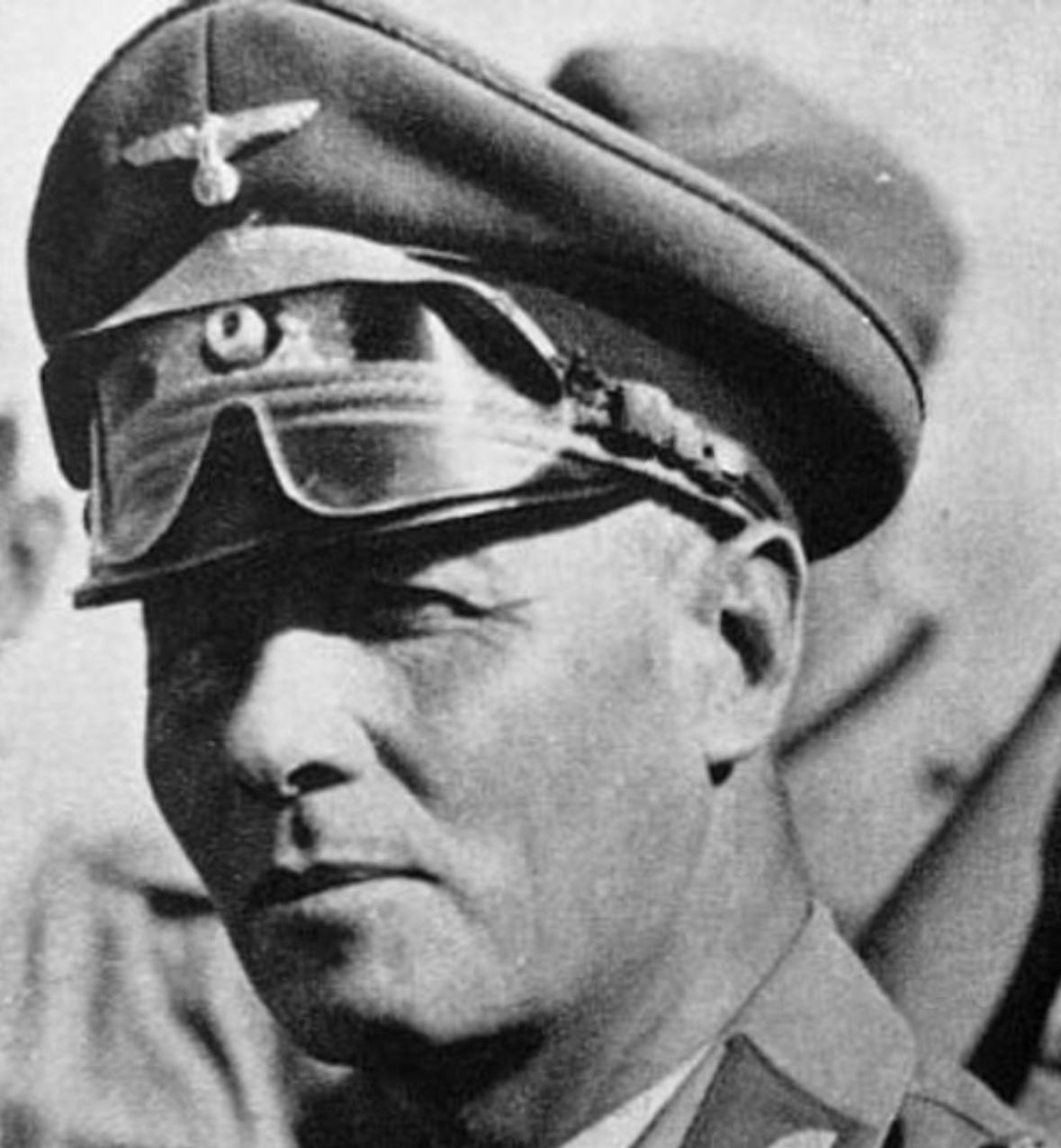
“We have a skilful opponent against us,” exclaimed then British Prime Minister Winston Churchill to the House of Commons in praise of Rommel to continue, “and may I dare say, a darn fine general!”
Rommel, fully aware of being used as a pop idol back home, part of the propaganda machine created by the cunning Goebbels, played well the role of the hero he really was.
But his greatness didn’t stem from temporary deeds. They pointed to a sense of daring and cleverness that was evident even in WW1 when during the Battle of Caporetto (Oct 1917), his small detachment managed to capture elements of the 4th Bersaglieri Brigade, the Salerno Brigade, and various supporting Italian artillery and infantry units around Mount Matajur, in Italy.
There is a saying that greatness cannot be achieved without deviating from the norm.
During Adolf Hitler’s reign and the years of Nazi tyranny, the Wehrmacht was associated with a brutal military machinery that subjected prisoners of war and civilians to horrific treatment. The persecution and murder of millions, particularly in the occupied territories, remain among the darkest chapters of modern history.
But Rommel’s reputation for military conduct was somewhat different. He was known for his reported restraint towards captured Allied soldiers and for his insistence on certain conventions of warfare. British officer George Lane, captured in North Africa, was spared after an encounter with Rommel. Such accounts helped build the image of a commander who could recognise the humanity of an adversary even when fighting against him.
However, historical honesty requires a distinction between reputation and reality. Rommel was not a member of the Nazi Party, but he served Nazi Germany, enjoyed Hitler’s confidence and became a prominent face of the regime’s propaganda. His conduct in North Africa does not absolve him of his association with the regime or establish that he was fully aware of, or opposed to, all its atrocities. His legacy is therefore considerably more complicated than the popular image of a chivalrous soldier might suggest.
His relationship with Hitler, too, underwent a significant transformation. Initially impressed by the German leader, Rommel eventually grew disillusioned with his military decisions. The German campaign in North Africa was increasingly becoming unsustainable, with shortages of fuel, equipment and reinforcements taking their toll.
The defeat at El Alamein in October and November 1942, followed by the eventual Axis surrender in North Africa in May 1943, marked the collapse of his most celebrated campaign.
Rommel increasingly recognised that Germany could not win the war. By 1944, he reportedly urged Hitler to consider ending the conflict and was sympathetic to efforts to remove the dictator from power. Although his precise involvement in the July 20 assassination conspiracy remains disputed, his association with individuals involved in the plot placed him under suspicion.
On October 14, 1944, two representatives of the Nazi regime confronted Rommel at his home. He was offered a choice: take his own life or face a public trial, with potentially devastating consequences for his family. He chose cyanide. He was just 52. The regime subsequently announced that he had died from injuries sustained during the war and accorded him a state funeral.
Perhaps what makes Rommel’s story so enduring is the uncomfortable combination of military brilliance, personal reputation and historical contradiction. He was a commander who could earn the admiration of his adversaries, yet one who served a regime responsible for unprecedented crimes. His life reminds us that military genius and moral courage are not necessarily interchangeable, and that admiration must never come at the cost of historical truth.
His methods continued to attract attention long after his death. Biographies, military studies and cinema introduced his story to successive generations. The 1951 film The Desert Fox: The Story of Rommel, starring James Mason, further strengthened his international reputation.
So, why does Erwin Rommel still matter? Perhaps because his story asks questions that extend beyond military history. What makes a soldier great? Where does loyalty to one’s country end and moral responsibility begin? And can a man be remembered for his professional conduct while remaining inseparable from the political machinery he served?
The Desert Fox was no uncomplicated hero. But neither was he an ordinary military commander. His life, achievements, contradictions and tragic end continue to invite examination. And perhaps that, more than the battles he fought, is why his name has refused to disappear from history.
Even well over seven decades since WWII, Rommel still signifies a sense of honour so rare to identify during the torrid events of World War II that there’s little surprise his name is attached to numerous visitations and places of reverence. There’s Rommelstrasse, the Rommel Barracks at Augustdorf, and even the decorated Rommel museum in Egypt- fervent reminders of the fact that at a time where Germany embodied all that was wrong, in Field Marshal there was a chivalrous exception.
Authored by
Devdeep Tyagi
Image source