

 0
0 0
0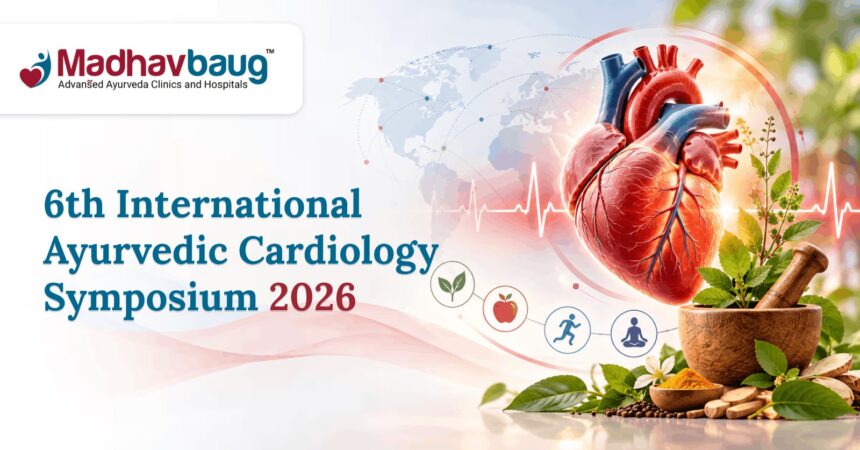
81 clinicians present cases on diabetes, hypertension and coronary artery disease; discussions explore reversal-focused care, Panchakarma, diet-based interventions and long-term cardiovascular management
Mumbai, October 2026: On the occasion of World Heart Day, Madhavbaug (Vaidya Sane Ayurved Laboratories Limited) organised the 6th International Ayurvedic Cardiology Symposium 2026, bringing together clinicians, academicians and healthcare professionals from India and overseas for three days of clinical case presentations, scientific discussions and multidisciplinary academic exchange.
Held from 25th to 27th September 2026, the symposium explored how cardiovascular and metabolic health can be addressed through structured, preventive and long-term approaches alongside the management of established disease.
The scientific programme featured 81 Madhavbaug clinicians presenting real-world clinical cases, supported by 28 senior moderators and academicians. Cases covered coronary artery disease (CAD), diabetes, hypertension, obesity and other lifestyle-related disorders. Seventeen clinicians were recognised as Best Presenters for their case presentations and contribution to the academic programme.
Focus on reversal-oriented and long-term care
A key theme was reversal-focused clinical care in chronic metabolic and cardiovascular conditions. Clinicians presented experiences related to diabetes, hypertension and CAD, discussing patient assessment, treatment approaches, lifestyle modification, monitoring and follow-up.
Diabetes-related presentations included individual cases showing improvement in glycaemic parameters, including cases in which GTT was reported as becoming negative following intervention. Discussions also underlined the importance of systematic documentation, long-term follow-up and larger studies before findings from individual cases can be generalised.
The symposium examined the potential role of Ayurveda-based and lifestyle interventions in long-term cardiovascular health. Discussions covered risk-factor modification, diet, physical activity, stress management, metabolic control, patient education and sustained follow-up as components of comprehensive cardiovascular care.
Panchakarma, diet and structured programmes
Clinicians also discussed the use of Panchakarma, therapeutic dietary interventions and structured treatment programmes in chronic disease management. Panchakarma was examined as one component of individualised treatment plans alongside diet and lifestyle interventions, depending on a patient’s clinical assessment.
Structured diet kits were discussed as a practical way to help patients follow dietary recommendations. The broader treatment model presented at the symposium combined clinical consultation, Ayurveda-based interventions, diet, physical activity, education, monitoring and scheduled follow-up rather than relying on a single intervention.
Chief Guest Dr. Chandrakant Bhagwat Chavan, Interventional Cardiologist and Electrophysiologist and Chair Professor for the Chair in Interpathy Research in Preventive Cardiology, MUHS Nashik, highlighted the importance of strengthening preventive cardiology alongside established cardiovascular disease management. His address covered nutrition, lifestyle modification, yoga and preventive strategies for addressing long-term cardiovascular risk.
Guest of Honour Dr. Janardhana V. Hebbar, Founder of Easy Ayurveda, highlighted the multifactorial nature of cardiovascular and metabolic diseases and the role of diet, sleep, stress, sedentary lifestyle and metabolic health. He also appreciated the symposium’s case-based learning approach.
Dr. Hemant Devraj Toshikhane, Dean, Faculty of Ayurveda, Parul University, Vadodara, emphasised structured clinical evaluation, continuous training, patient follow-up and knowledge exchange.
Moving from clinical cases to stronger evidence
The symposium’s 28 moderators included senior academicians, principals, professors, heads of departments and experienced clinicians, with participation spanning more than 90 Ayurvedic colleges across India and an international moderator from the United States.
Moderators questioned presenters on investigations, clinical reasoning, treatment rationale, monitoring, outcome assessment and long-term follow-up. A recurring message was the need to move from individual clinical experiences towards larger cohorts and prospective research.
Cases involving diabetes reversal, hypertension reversal and CAD-focused interventions can generate useful clinical observations and research questions; however, larger, systematically designed studies are required to establish the effectiveness and long-term outcomes of specific interventions.
International participation from the United States, United Kingdom, Australia, New Zealand and European countries, alongside participants from across India, broadened the academic exchange. The event also attracted MBBS doctors and healthcare professionals from other systems of medicine.
Dr. Gurudatta Amin, Organizing Chairman and Chief Medical Officer, Madhavbaug, emphasised individualised chronic disease management based on each patient’s diet, physical activity, lifestyle, constitution, clinical status and response to treatment. He also stressed the importance of continued monitoring and follow-up after initial clinical targets are achieved.
Through the World Heart Day initiative, Madhavbaug sought to bring clinical practice, academic scrutiny and research orientation onto a common platform while encouraging stronger documentation and evidence generation around preventive cardiology, metabolic health, lifestyle interventions and Ayurveda-based approaches.
About Madhavbaug
Madhavbaug (Vaidya Sane Ayurved Laboratories Limited) works in cardiovascular and metabolic healthcare through Ayurveda-based interventions, lifestyle modification, structured clinical programmes and patient monitoring.